Gastric cancer or Stomach cancer
Stomach cancer (Stomach cancer) is seen all over the world in Korea and Japan.
In the West, such as the United States and Europe, the incidence is low.
However, the second most common cancer worldwide is cancer.
In the case of Korea, the incidence rate is 1 and the mortality rate is the second after lung cancer. Gastric cancer is classified as Adenocarcinoma, which occurs in 95% of the glandular mucosal gland cells of the gastric wall.
Other lymphoma that develops from the lymphatic system, and gastrointestinal stromal tumor that occurs in epilepsy tissue.
Stomach cancer is divided into two major types (intestine, subtype). Stomach stomach cancer is typically caused by H. pylori infection of the ulcer, and the subtype is not. Previous studies have shown that two gastric cancers are infected through different routes and that genes play a more important role in the case of subtype gastric cancer. One in 113 men and women in the United States is diagnosed with gastric cancer once in a lifetime.
"Short side" related to stomach cancer: rs2294008
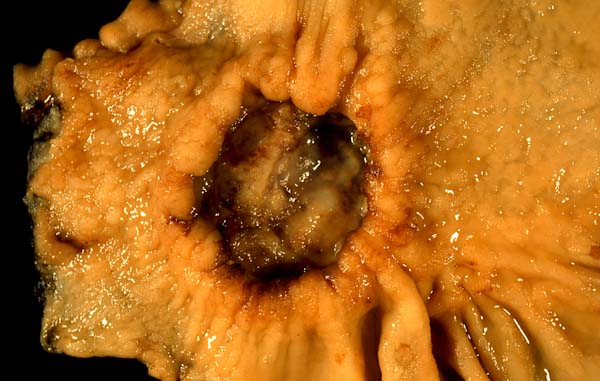
Cause The cause of stomach cancer is difficult to say in a word. However, the stomach of the stomach is a long-term contact with the food come into the mouth, so the food is likely to cause gastric cancer. In animal experiments, carcinogens in food were found to be the most important factors of gastric cancer. Nitrate and nitrite, which are especially contained in processed meat, are known to be powerful carcinogens, and it is thought that burnt foods and spicy foods cause gastric cancer. In particular, Koreans eat more salty foods, about three times the recommended amount of the World Health Organization average. Helicobacter pylori is a cause of gastritis and gastric ulcer, which is closely related to gastric cancer. It is true that Helicobacter pylori is associated with gastric cancer. However, in animal experiments, Helicobacter pylori has not been able to generate tumors alone, and it has been reported that tumors were generated when administered simultaneously with carcinogens. This makes it possible to interpret Helicobacter pylori as a cause of gastric cancer rather than as a direct cause.
Symptom In general, there are no specific symptoms at the beginning, and there are symptoms such as sore throat, sore throat, and no digestion, which are more common symptoms of mild gastritis and gastric ulcer. If gastric cancer progresses and the food goes down in the stomach, vomiting may occur, the lymph node under the left subclavian bone may be palpable, and the abdominal cavity may be filled with ascites, which is a symptom of late gastric cancer. Surgery is often impossible.
Diagnosis Gastric endoscopy is performed to identify the lesion site and histologic examination reveals the presence of malignant cells. Endoscopic ultrasonography can reveal the depth of the lesion, and the upper gastrointestinal tract can be used to determine the overall shape of the stomach and the location of the lesion. CT scans were performed to confirm metastasis to the liver organs and chest X-ray was taken to confirm that the cancer cells had not metastasized to the lungs. In recent years, the presence of microscopic cancer cells is also confirmed by performing a PET scan.
ordnance The stage is determined mainly by the degree of invasion of the stomach wall and the number of lymph node metastasis. In stage 1, almost all cases are cured. In case of stage 2, about 2/3 of cases are cured, . However, in the late phase 3, about 1/3 of all patients and in the case of 4 months, only about 1/10 can be cured. The prognosis is very poor. This is why gastric cancer should be detected early. Early gastric cancer refers to the case where cancer cells invade the mucosa or submucosa regardless of lymph node metastasis. It is called progressive gastric cancer when the muscle layer or the intestine is further invaded.
Treatment of stomach cancer Recent advances in gastric cancer have led to advances in the technique of lymphadenectomy for advanced gastric cancer, and in the case of early gastric cancer, endoscopic mucosal resection with endoscopic resection of the cancerous lesion, Laparoscopic gastrectomy is rapidly advancing. Other advances in immunotherapy, chemotherapy, and gene therapy have reduced recurrence rates and increased survival in patients who are unable to cure. Endoscopic mucosal resection was performed by injecting physiological saline through the needle into the gastric mucosa around the cancerous lesion as shown in the figure for the early gastric cancer. After the lesion was convexly inflated, . This method has the merit of avoiding the pain of gastrectomy with simple endoscopic treatment from the viewpoint of the patient. However, this method can be used only in some cases of early gastric cancer limited to the mucosa, which is low in the possibility of lymph node metastasis. If postoperative biopsy reveals cancer cells in the resected mucosal tissue interface, cancer invades the submucosal layer, If cancer cells are found in the lymphatic system, a radical gastrectomy should be performed in the same way as other gastric cancer patients. The success rate of endoscopic mucosal resection has been reported to be 80% and the remaining 20% are known to undergo radical gastrectomy due to incomplete resection or local recurrence. For widespread early gastric cancer that can not be removed by endoscopic mucosal resection, laparoscopic surgery can be used. This method can resect the entire gastric wall with a sufficient resection margin and larger lesion than the previous method. Lymph node resection is possible with the recent development of the technique. In advanced gastric cancer, open surgery is the most reliable method.
Chemotherapy Cancer chemotherapy is used to destroy cancer cells in patients with gastric cancer that can not be surgically treated and to increase survival rate by inhibiting proliferation. Primary cancer therapy, gastrectomy, and lymph node dissection are performed to destroy cancer cells that may remain invisible There are two types of adjuvant chemotherapy. There is also preoperative chemotherapy to reduce the size of the carcinoma before surgery. If surgery can not completely remove the carcinoma, or when the carcinoma is blocking the digestive tract, radiation therapy may be used in combination. Although there is a method of administering intraperitoneal anticancer drugs during the transplantation, it is difficult to expect a clear survival rate improvement in advanced cancer. Examples of anticancer drugs used in gastric cancer include injections such as 5-FU, cisplatin, methotrexate, paclitaxel, and irinotecan, and TS-1 as an eating drug.
Complications after gastrectomy
stomach cancer death statistics statistics
Dumping syndrome means that after the gastrectomy, the food that enters the mouth does not get digested by the digestive process and immediately flows into the small intestine. As the sugar is rapidly absorbed from the small intestine, the blood sugar rises rapidly and the hyperglycemia symptoms such as palpitations, dizziness, cold sweat, diarrhea And 2 hours after the meal, the blood glucose is decreased rapidly, conversely, and the symptoms of hypoglycemia such as working power and cold sweat appear. Dumping syndrome is known to occur after eating foods with high sugar or high fluidity, but there are big differences among individuals. The most important way to prevent dumping syndrome is to eat slowly and slowly, usually about 30 times a day. Chewing and eating well is very helpful. It is also good to eat candy in the mouth and suck it to reduce hypoglycemia at the time of fasting.
External links
The incidence of stomach cancer in Korea is higher than in the West. December 29, 2010
clinomics Co., Ltd. Korea's leading genomic analysis company
댓글 0